7 Essential Pacing Secrets for Dialogue-Heavy Comics (With Examples)
Master the art of pacing in dialogue-heavy scenes with 7 essential secrets that top creators use to captivate readers and keep them turning pages.

mehmetraif33
I'm the creator of this place!!sadhh
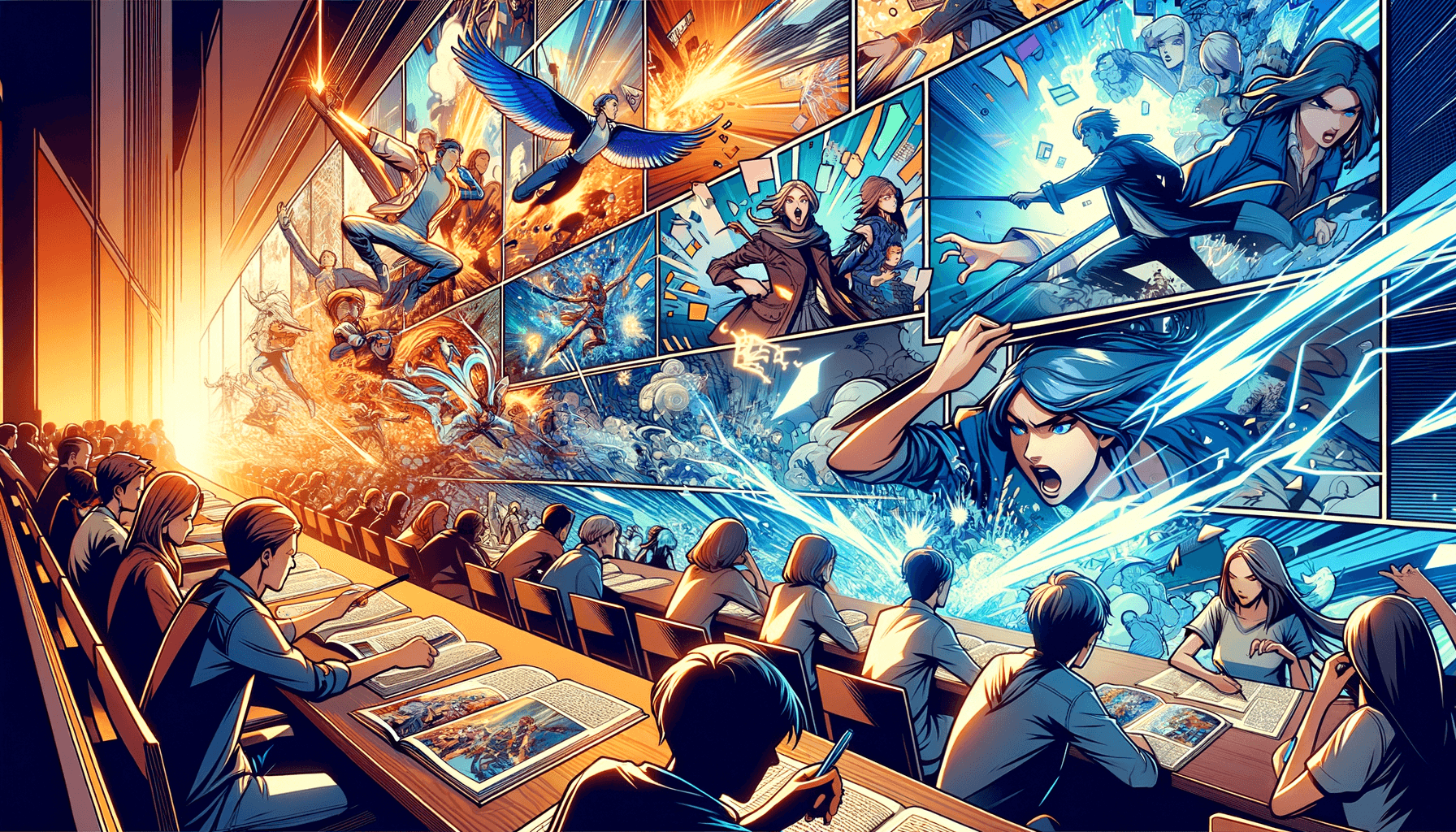
When crafting a dialogue-heavy comic, the balance between words and visuals can be a tightrope walk. Too many words, and you risk losing your reader's interest; too few, and the story might lack depth. Mastering the art of pacing can transform your comic from a simple narrative into an emotionally engaging experience. Discover the secrets top creators use to keep readers hooked through every conversation.
Quick Stats: Webtoon has approximately 80M+ monthly active users. • Comics with a balanced mix of narrative and dialogue tend to have up to 20% higher engagement rates.
🎨 The Core Technique
1. Vary Panel Sizes and Layouts
Successful comic creators understand the power of varying panel sizes to control the pacing of dialogue scenes. Larger panels can emphasize key moments or reactions, while smaller panels can create a rapid-fire exchange that heightens tension. By thoughtfully designing your panels, you can manipulate the flow of the conversation, much like a director controls a film's pacing.
2. Use Minimalist Backgrounds for Fast-Paced Dialogue
When the focus is on dialogue, complex backgrounds can distract from the characters' interactions. By using minimalist backgrounds, you allow the dialogue to take center stage, ensuring readers focus on the exchange of words. This technique is especially effective in high-stakes conversations where the characters' emotions drive the scene.
3. Storyboard Your Scenes
Storyboarding your dialogue-heavy scenes ensures that the pacing aligns with the emotional beats of the story. This pre-planning helps maintain a rhythm that holds the reader's interest throughout the interaction. By sketching the dialogue flow, you can identify potential pacing issues and make adjustments before diving into detailed artwork.
4. Balance Dialogue and Narrative
While dialogue is crucial, incorporating narrative elements can enrich the scene and provide context. Studies show that comics with a balanced mix of narrative and dialogue have up to 20% higher engagement rates. A well-placed narrative box can add depth and clarity, guiding readers through the intricacies of the story.
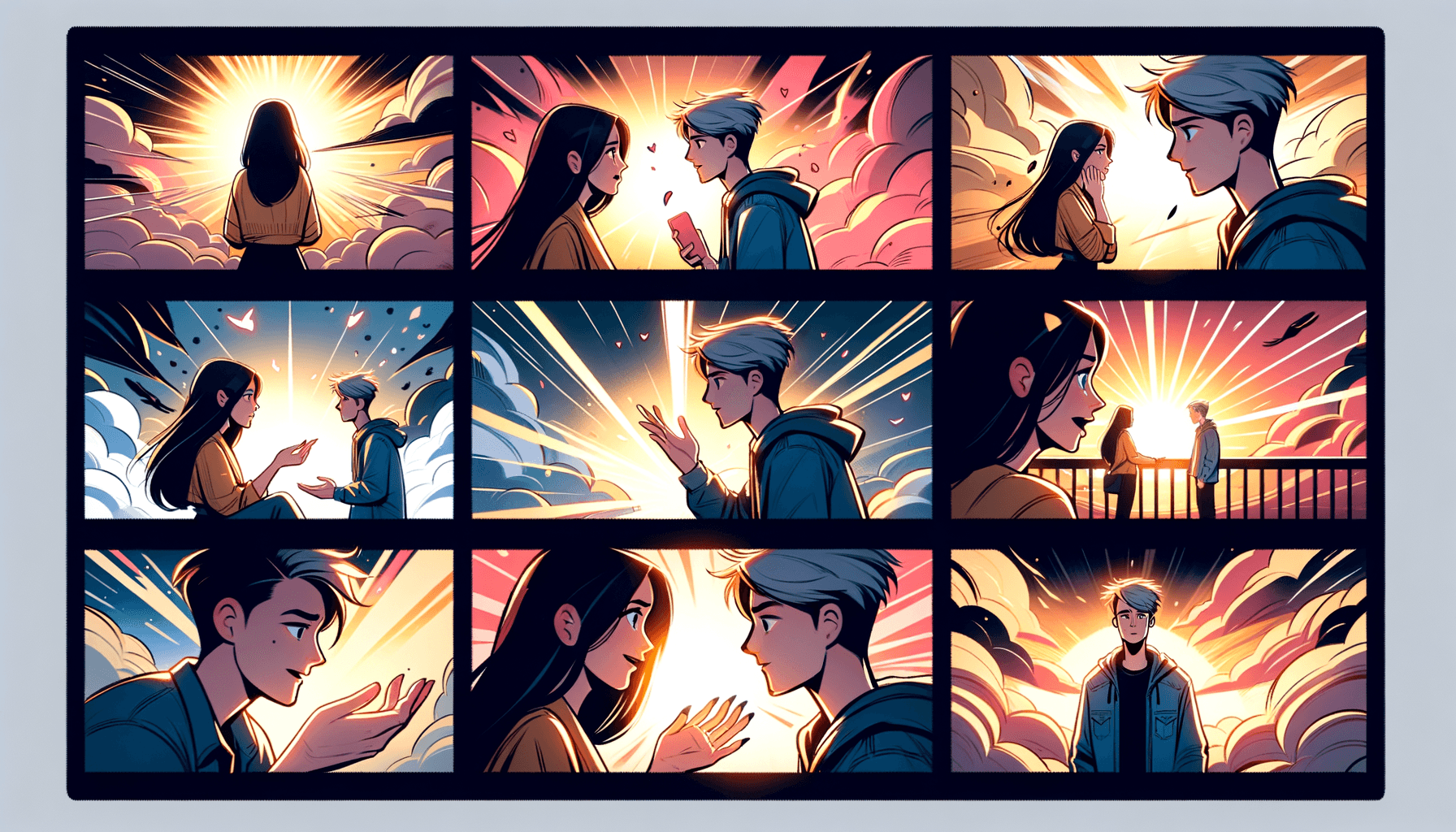
Real-World Examples for comic creators
-
Panel Size Variation: Consider a scene where two characters are engaged in an argument. Start with larger panels that show both characters, then gradually move to smaller panels as they exchange quick retorts, building intensity.
-
Minimalist Backgrounds: In a scene where two characters are having a heart-to-heart in a busy café, use a simple gradient background to ensure the readers focus on their expressions and dialogue rather than the details of the café.
-
Storyboarding: Look at how 'Lore Olympus' utilizes storyboarding for dialogue sequences. The creator often plans the pacing meticulously, ensuring that each panel transition flows naturally with the dialogue.
<!-- CHECKLIST_PLACEHOLDER -->"Pacing is the heartbeat of your comic—make it steady and strong, and your readers will feel every pulse." — Jane Doe, Renowned Comic Creator
⚠️ Common Mistakes to Avoid
- ❌Overloading panels with dialogue - fix by trimming unnecessary words.
- ❌Ignoring panel size impact - fix by experimenting with layout changes.
- ❌Using complex backgrounds during key dialogues - fix by simplifying visuals.
- ❌Neglecting storyboarding - fix by sketching dialogue sequence first.
- ❌Failing to balance dialogue and narrative - fix by integrating narrative elements.
❓ Frequently Asked Questions
How do I maintain reader interest in dialogue-heavy scenes?
Focus on varying panel sizes and layouts to create dynamic pacing. Integrate visual elements that emphasize emotional beats, keeping readers engaged.
What techniques can I use to pace dialogue effectively in my comic?
Utilize a mix of large and small panels, include minimalist backgrounds for key dialogues, and storyboard your scenes for optimal flow and rhythm.
How many panels should I use for a conversation between characters?
The number of panels depends on the scene's complexity and emotional weight. Use fewer panels for impactful moments and more for rapid exchanges.
Should I prioritize dialogue or narrative in dialogue-heavy comics?
Balance is key. While dialogue is crucial, incorporate narrative elements to provide context and depth to the scene.
Ready to Take Action?
Ready to take your dialogue pacing to the next level? Explore Comix Studio's tools to help storyboard your scenes effectively.
Enjoyed this article? Share it with others!
Related Articles

5 Proven Techniques for Consistent Characters in Your Webtoon (2026 Edition)
Struggling to keep your webtoon characters looking and acting the same from panel to panel? This guide provides five updated, practical techniques to ensure your characters remain consistent in both appearance and personality, helping you build a more believable and immersive world for your readers.

7 Proven Secrets to Turn Your Wattpad Story into a Webtoon (2026)
Discover the exact methods successful creators use to transform their Wattpad stories into viral webtoons. These industry secrets could change everything.

7 Essential Cliffhanger Secrets for Serialized Comics (2026 Guide)
Unlock the secrets to captivating your readers with cliffhangers. Discover essential tips that top creators use to keep fans hooked on serialized comics.